Rutherglen 900 Grain Stories
From crop to cake
Timeline
Building begins!
Back in February and March, the raised beds were built, lined and frames for netting created, in each of the ten primary schools taking part in the project. these were then filled with soil, ready for planting.
Growth Begins
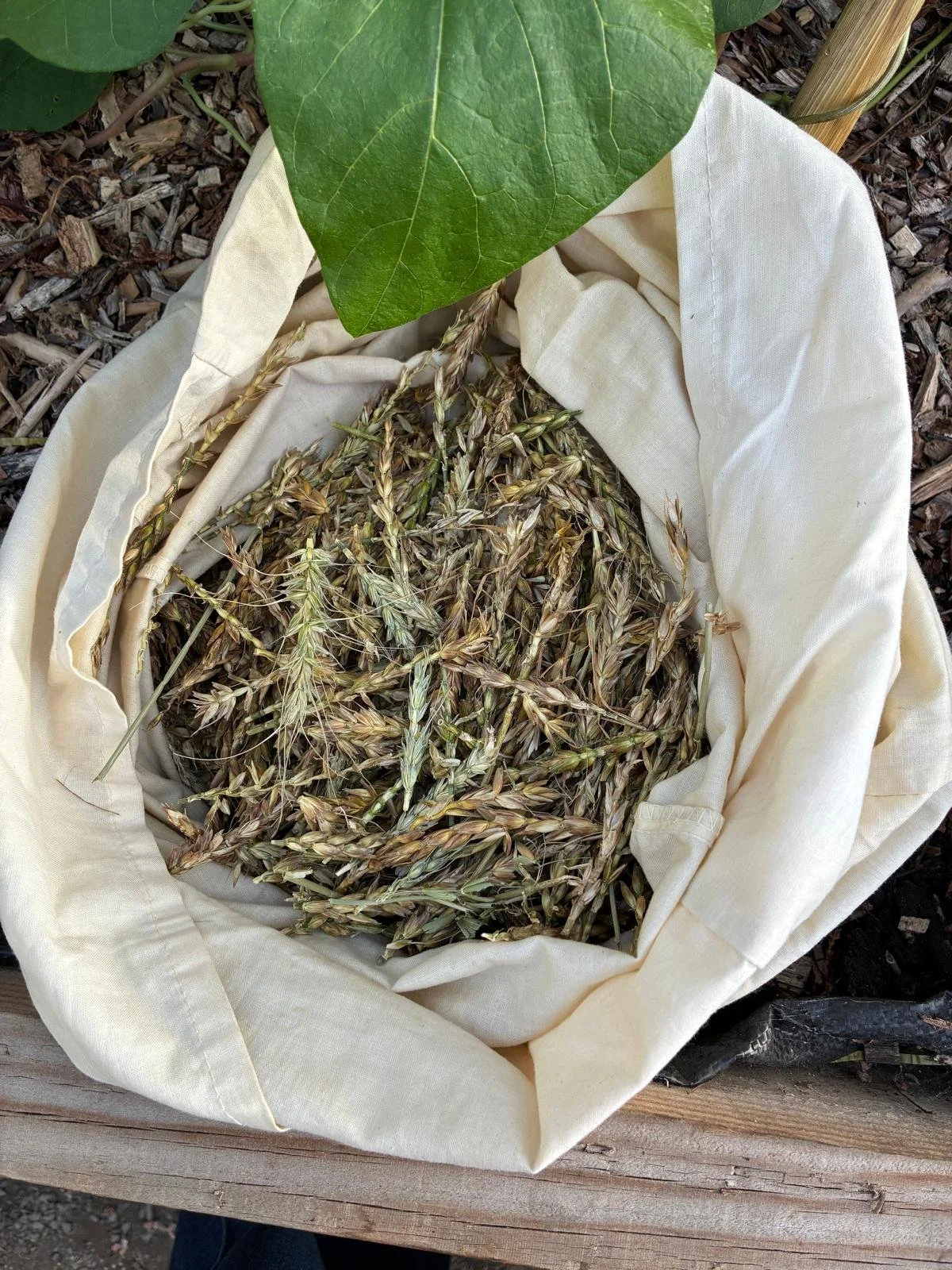
By June the wheat was appearing in the beds, would it survive the long hot summer?
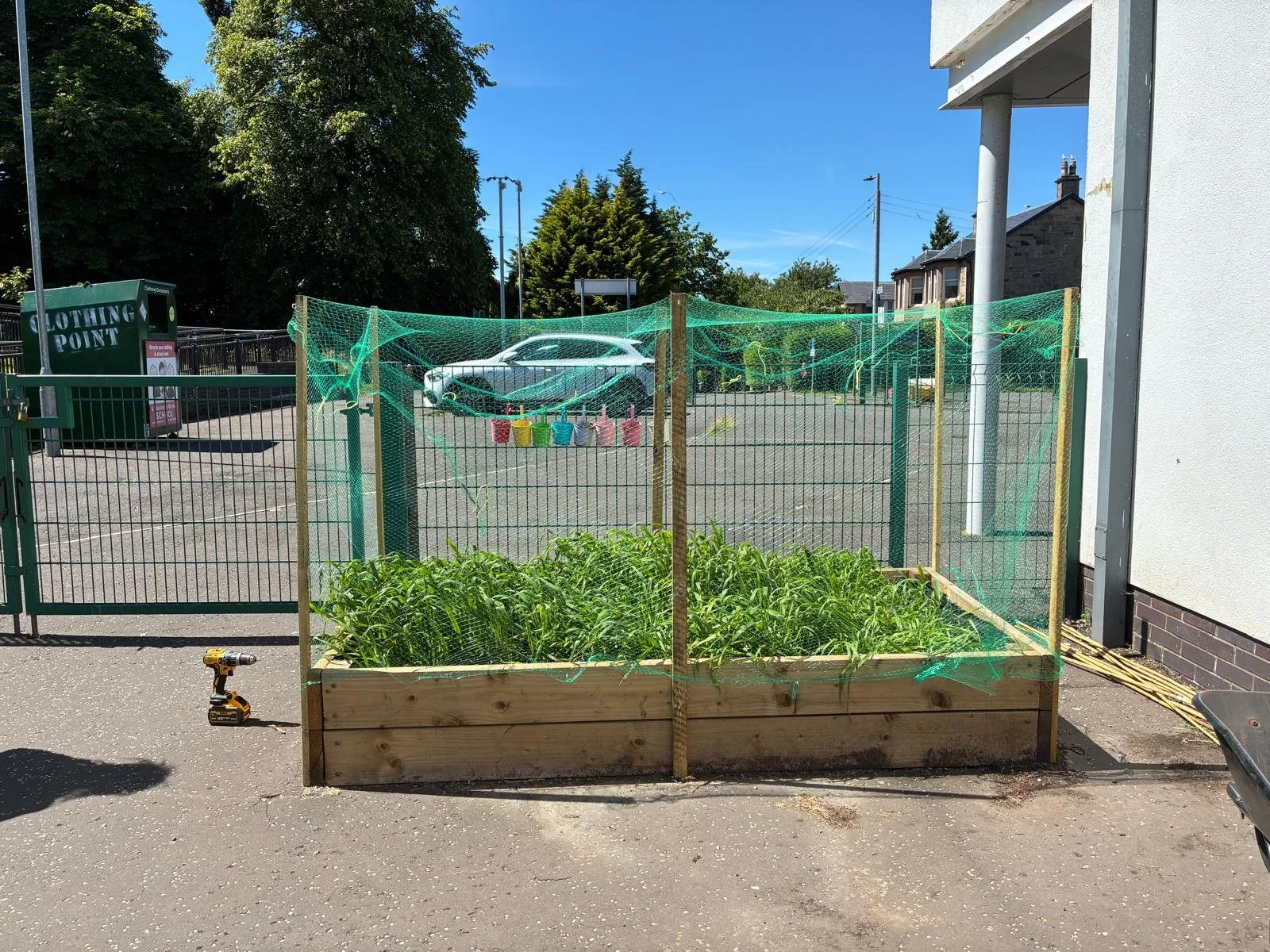
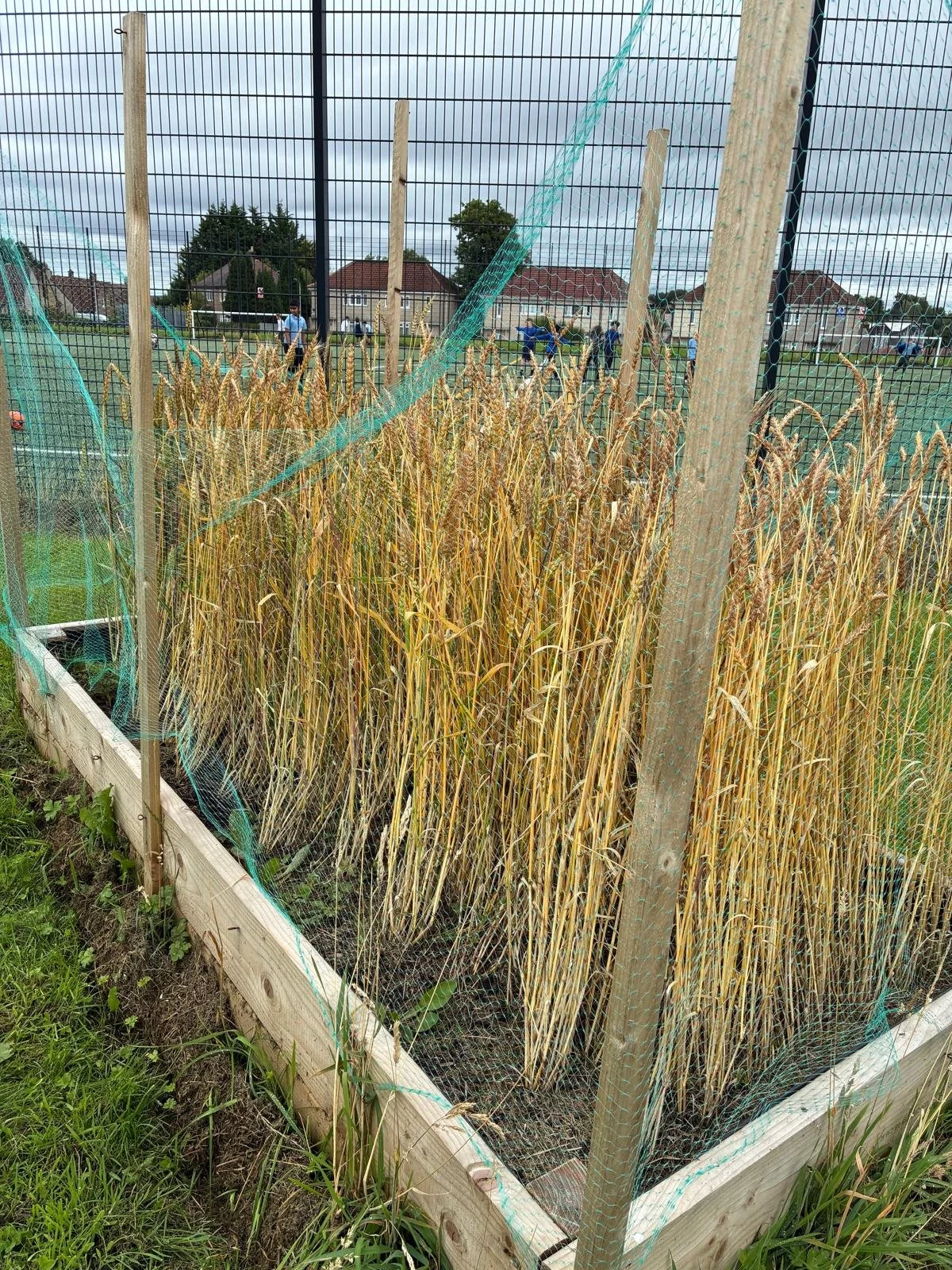
Golden grains of Rutherglen wheat!
September
The harvest is home and the wheat is hung up to dry.
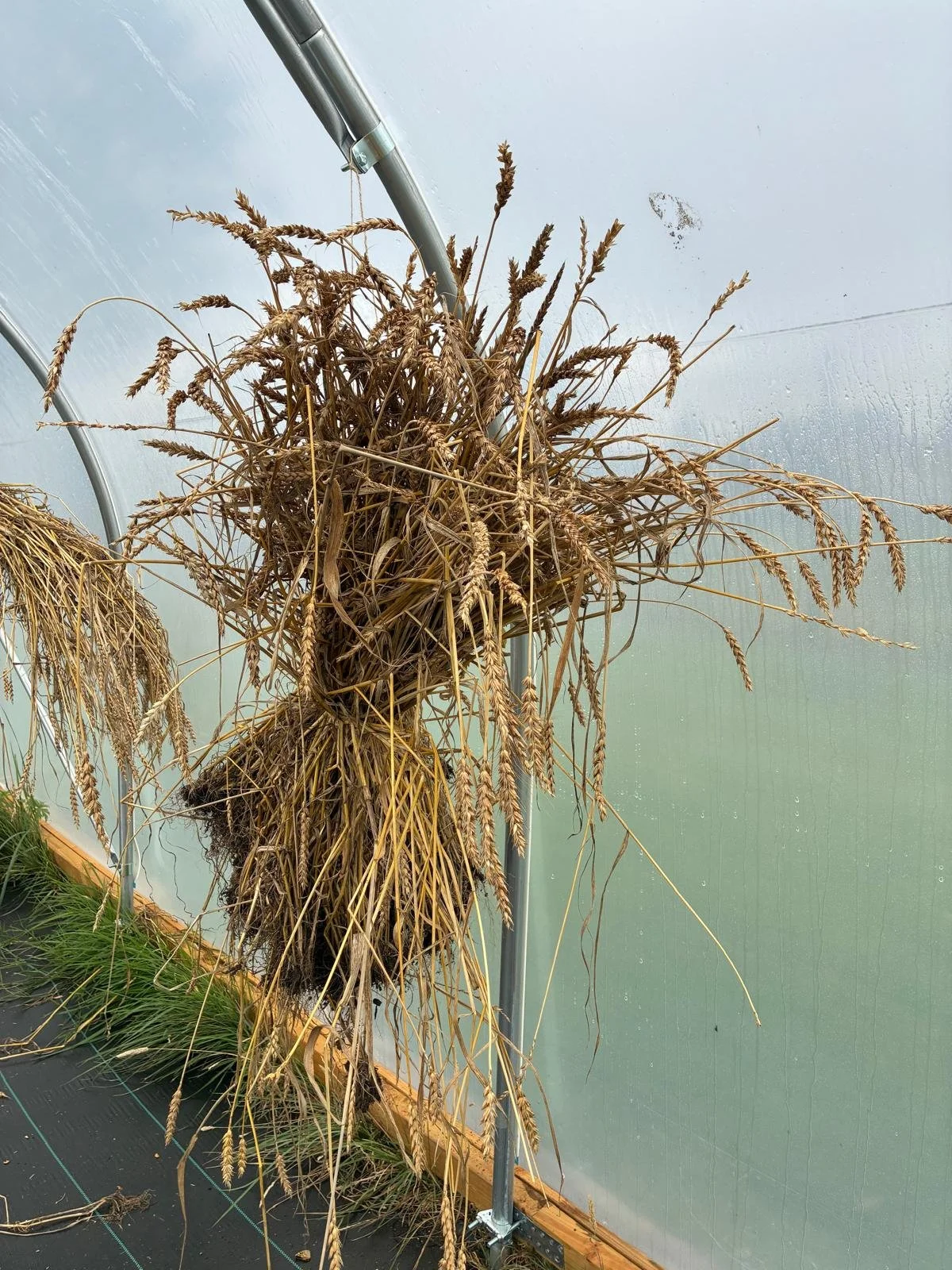
The Wheat is hung up to dry.
The Tradition of Soor cakes.
Far from being sour or indeed a cake in the modern sense, the traditional Ruglane Soor cake was a very thin, flat, oatcake sweetened with sugar and spiced with cinnamon or aniseed.
They were made by a group of women who sat within a chalk drawn semi-circle each holding a wooden board on her lap.
They were given names: the todler, the hodler, the best maid, the worst maid, Mrs Baker, the Bride and the Queen and the dough was passed from East to West, rolled, flattened repeatedly then aked on a girdle iron over the fire.
They were then given to travellers visiting St Lukes Fair, which traditionally started on the third Monday of October and lasted for a full week.
The fair was mostly about buying and selling, Clydesdale draught horses and wool brought up from Ayrshire were for a long time the most important things ought and sold, ut this was also a time for people to find work and children got a holiday from school and could earn money for holding the horses or helping out, getting the chance to earn a whole shilling (about five pence) and becoming a hero at school for being a ‘Shillon heir’!

Amanda sharing a story in the Grow 73 garden 2024
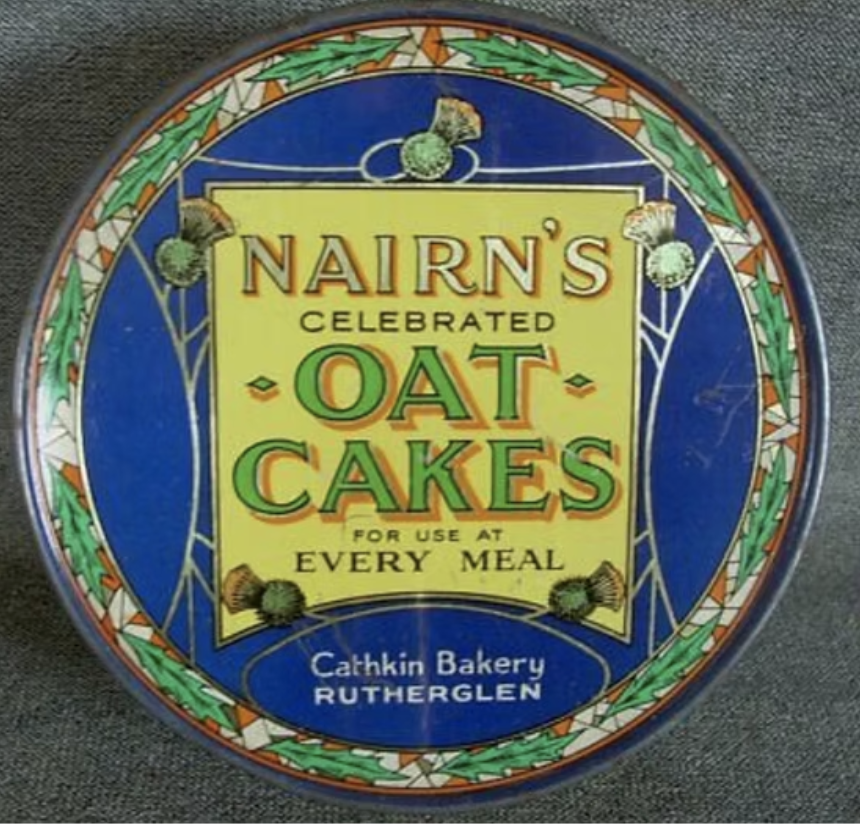
Image credit pickclick.co.uk/collectables
2026 has seen the Royal Burgh of Rutherglen in Scotland’s South Lanarkshire, celebrate it’s 900th year!
The brilliant folk of community gardening charity Grow 73 came up with a plan to follow a path from garden to grain, field to fork, sowing to supper, recreating a local tradition lost in the 1800 of making soor cakes from wheat and oats grown in Rutherglen and made into flour at the local mill.
The idea was to revive the tradition of making the soor cakes, from the wheat and oat grown by the children and schools. Sharing an insight of what it takes to make baked produce and accompanying it with storytelling on ancient traditions and folklore, creating a legacy for awareness on food growing and the value of reflecting on historical processes!
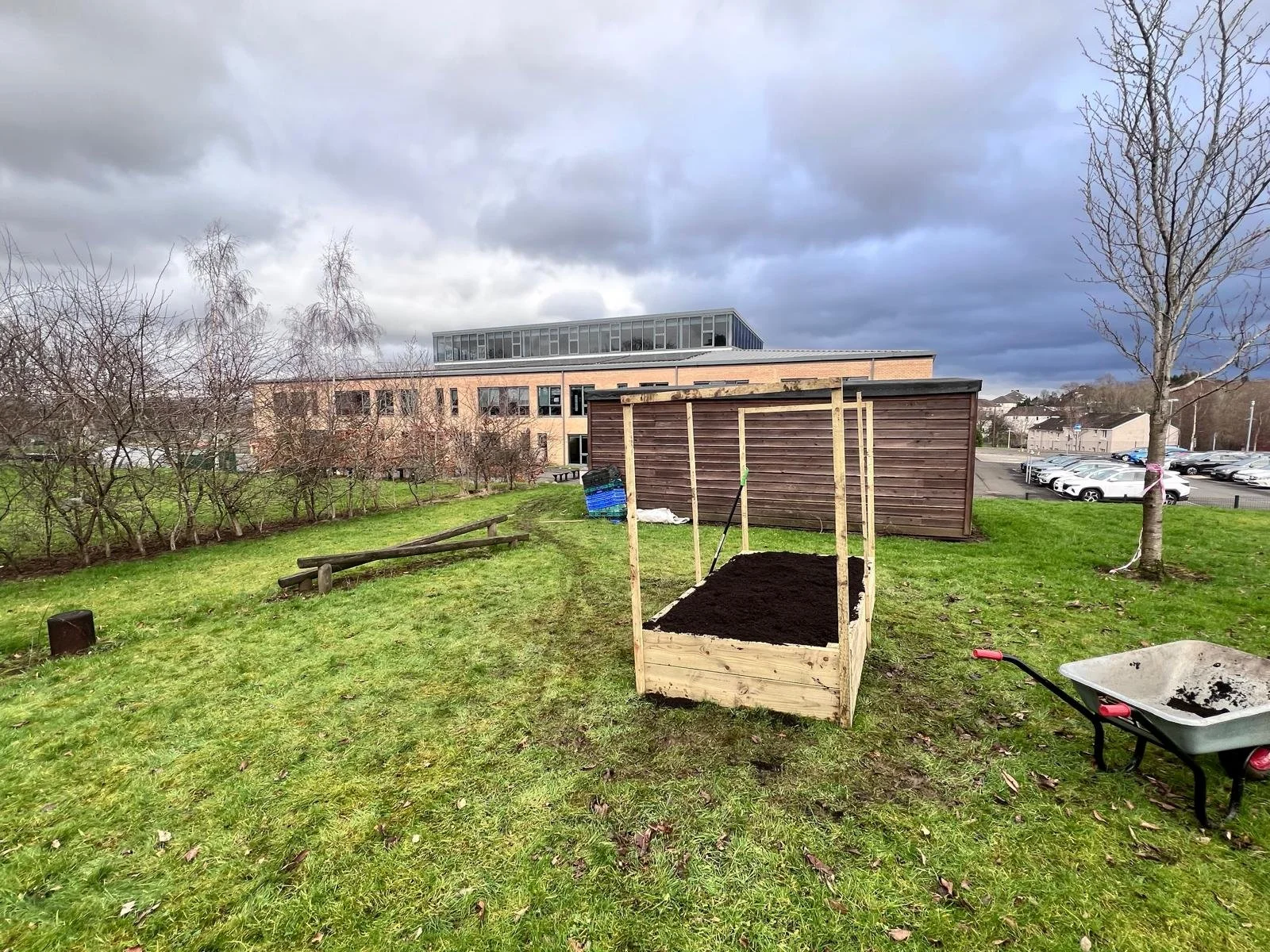
The raised beds taking shape. March 2026
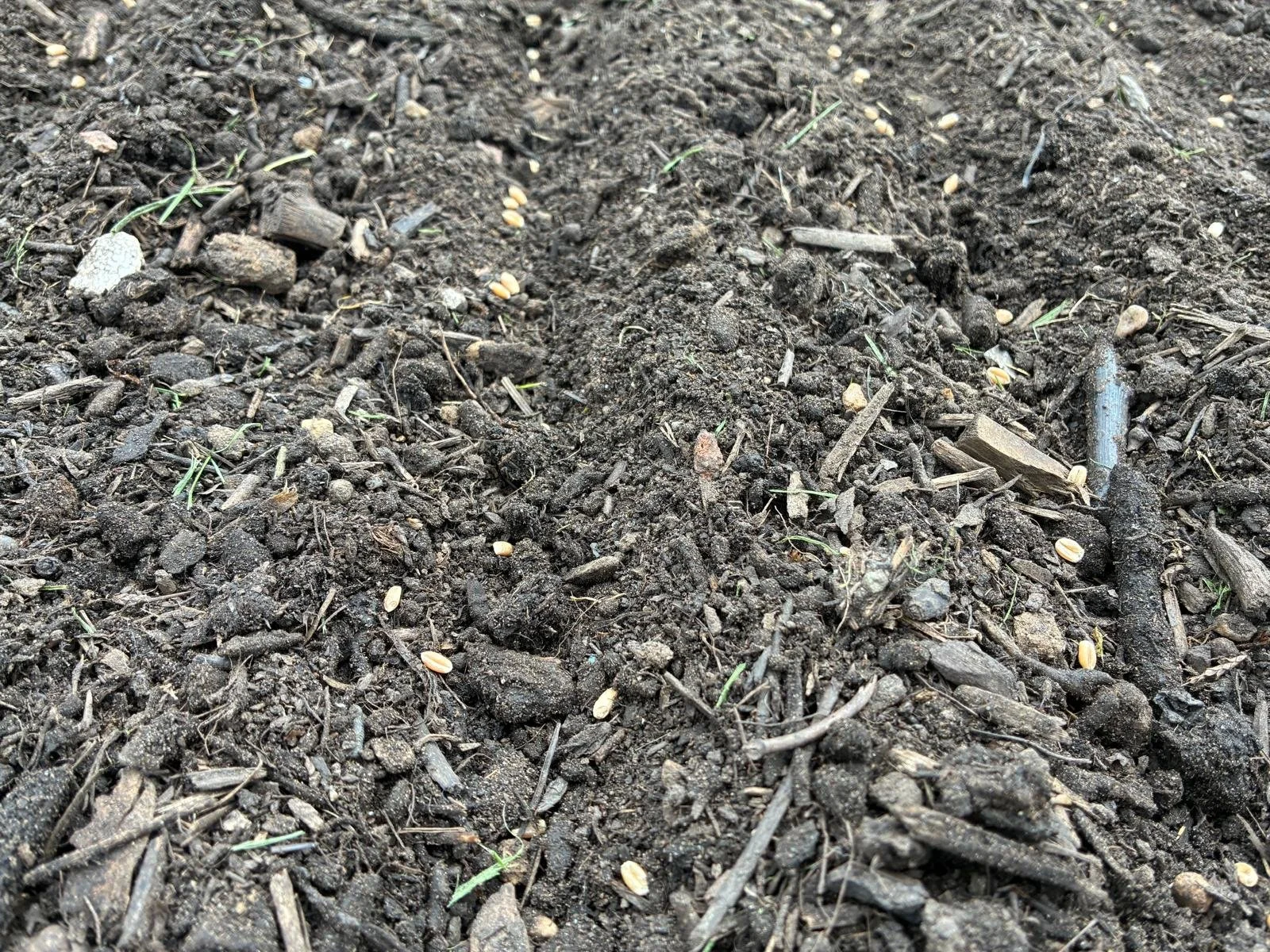
Sowing the Seeds.
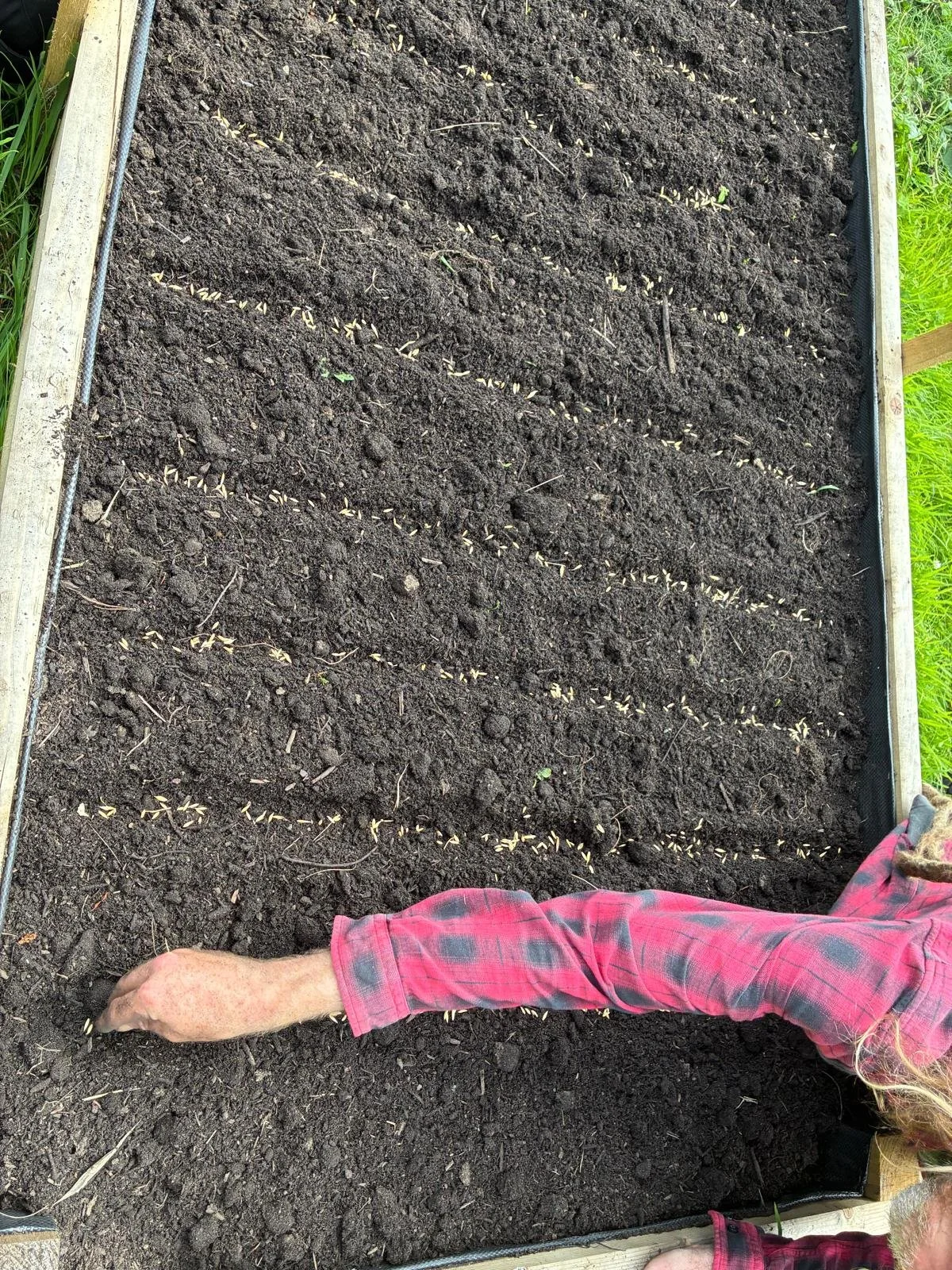
Throughout April and May the oats and wheat were sown.
The oats struggled with the weather, this is all part of the learning process, farmers at any level have to work with the weather, so this year it was the wheat which pulled through and survived!
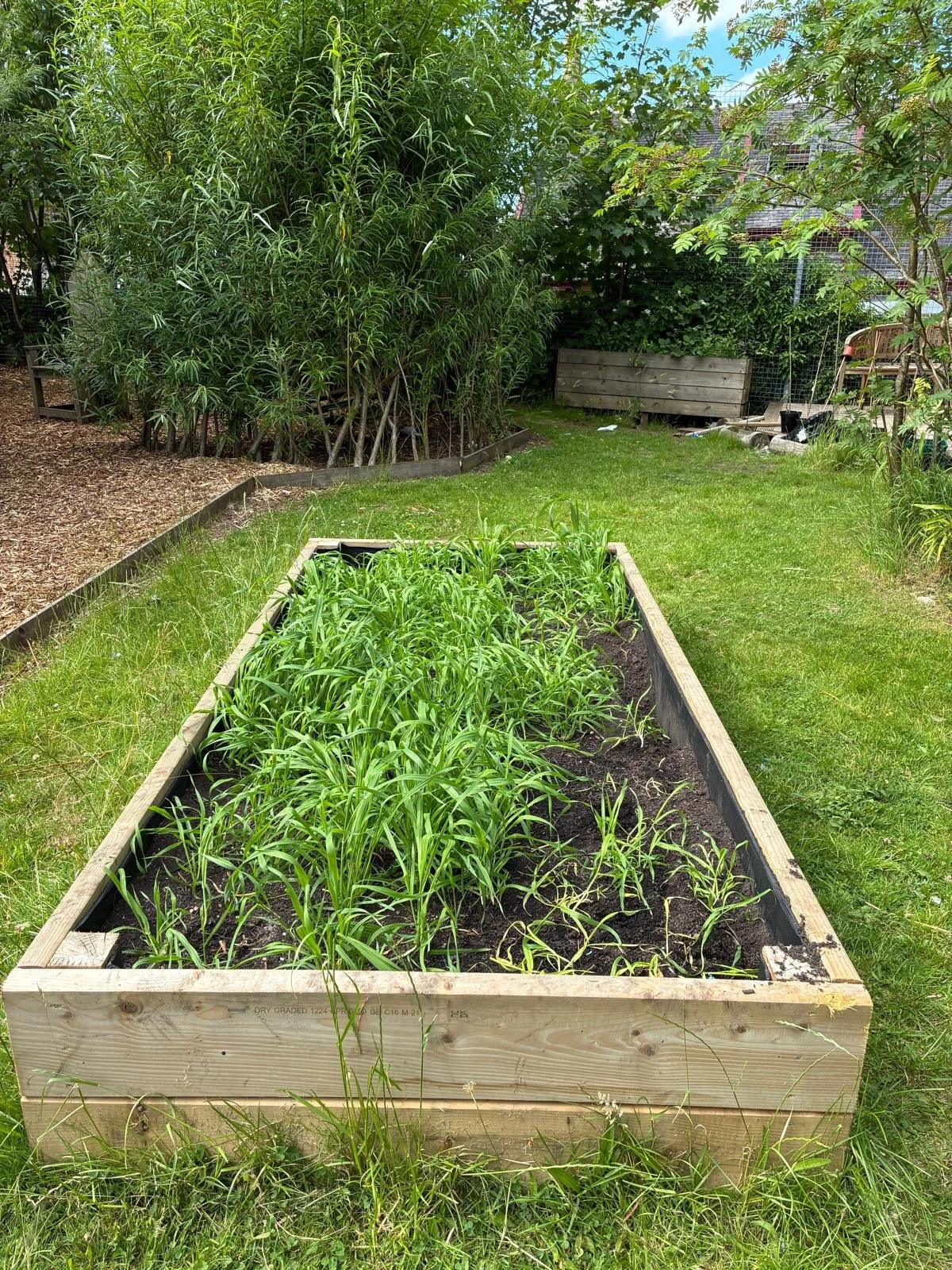
Success!
Fortunately by August, there was indeed a crop of wheat ready to harvest.
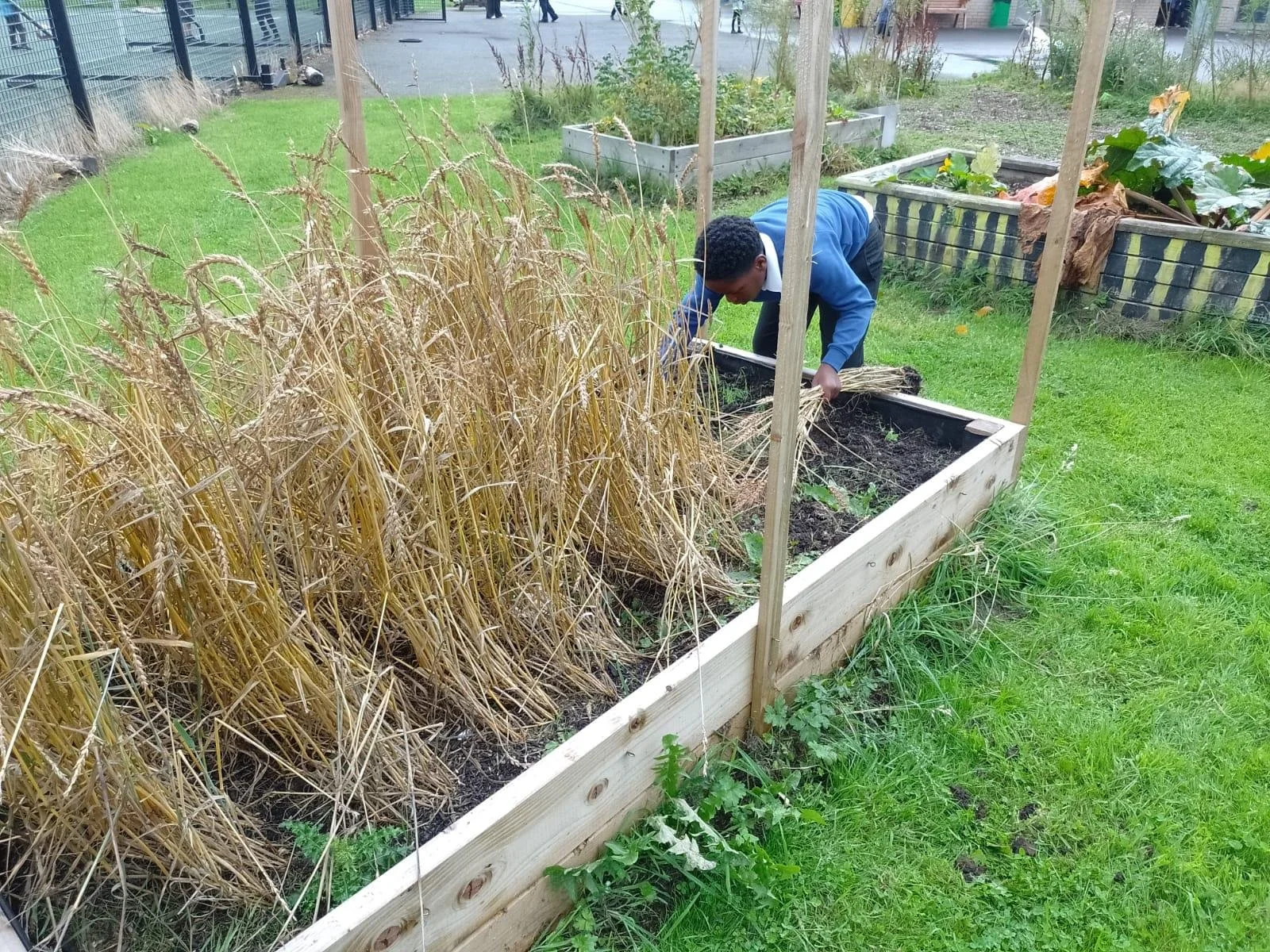
The harvest begins.
October
The final weeks of the Grain project.
the wheat is dry and ready to be threshed and winnowed so the grain is removed and the chaff is separated off.
Then we’ll be gathering to make our own version of the traditional soor cakes around the fire in the Grow 73 garden and listening to the stories, folklore and history of Auld Ruglane’s St Luke’s fair, which was held for a week beginning on the third Monday of October. When the local grain was used to make traditional flat biscuit like cake which was given to traveller’s visiting the burgh.
You can find out more about the tradition and listen to Amanda Edmiston’s story below and come back to the page later this month for pictures and stories from the final celeratory event!
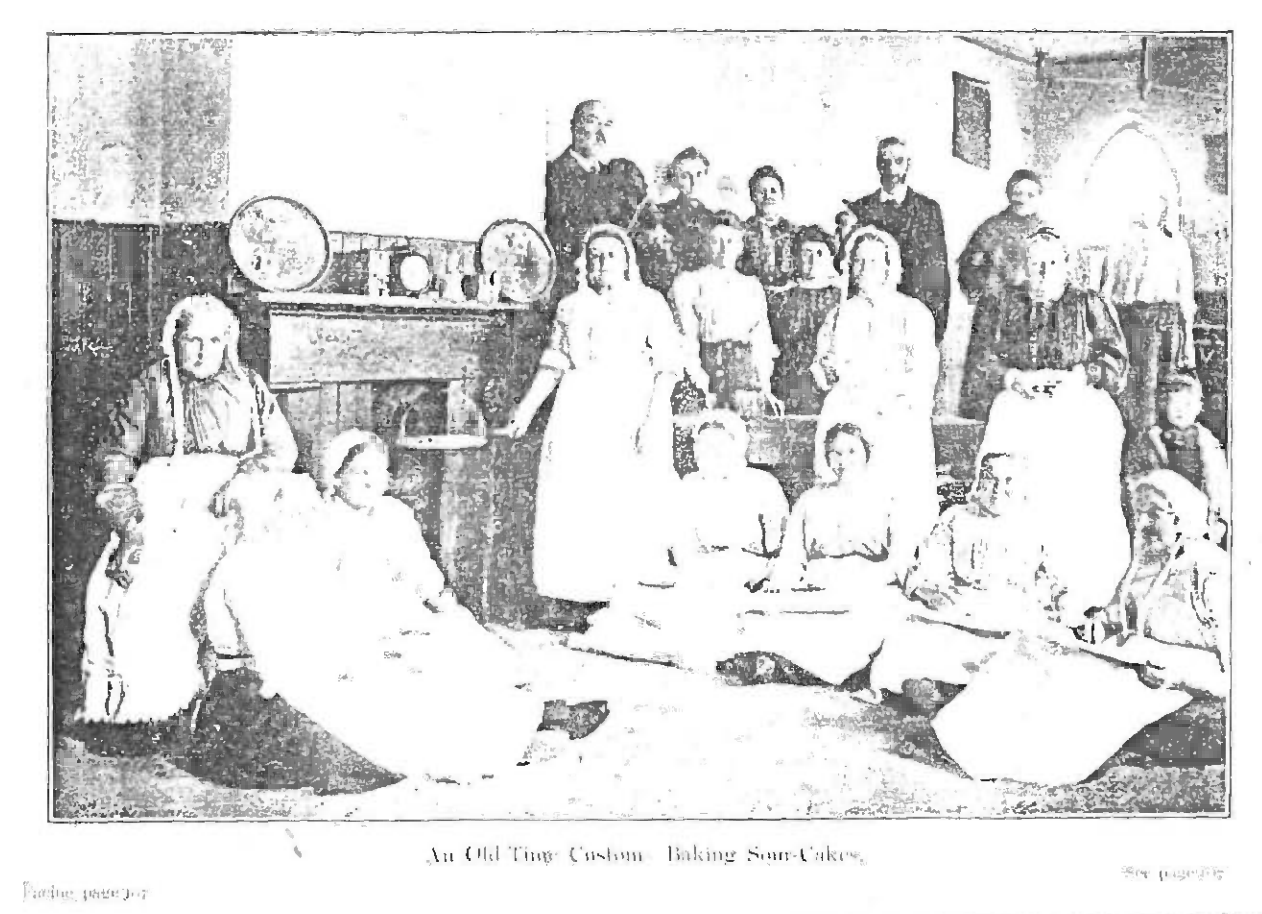
Baking Soor cakes from ‘Rutherglen Lore’ written by W. Ross Shearer in 1922, in anticipation of Rutherglen’s 800th Burgh year celebrations!
Although we are using wheat for our cakes at Grow 73, this is not a complete cheat, after all oats were used in the C18th ecause they grew better in the Scottish climate at the time, the more reilient modern wheat types hadnot een developed and oats were the staple grain food of Scotland, renowned for giving strength.
Oats are extremely nutritious, high in iron, magnesium and vitamin , they help make you feel full up for longer, balance the blood sugar therey giving you energy and help keep you in a good mood!
Rutherglen after the soor cake tradition was lost became the home of Scottish oatcakes with both Paterson’s and Nairns oatcakes being made in the town!
We heard lots of memories from older folk in the town about the bakeries when Amanda and Grow 73 did another project ‘The Ruglen Ropewalk’ a few years back and you can hear a retellomng of one of the stories below.
